
| City | Date | Puja time | Tithi (local) |
|---|---|---|---|
| Kuala Lumpur Malaysia Time (MYT) | Thursday, January 14, 2027 | — | Jan 13, 3:32 PM → Jan 14, 4:29 PM MYT |
Timings are local. Tithi = begin → end of the festival's tithi in that city.
Lohri gives thanks to earth, sun and fire for the new crop (sugarcane, mustard, groundnut) and the rabi sowing; sesame and jaggery (til-rodi, hence Lohri) are offered to the fire with the words 'aadar aaye, daliddar jaaye' — may honour come and want depart.
The circling of the fire and the offering, with fire as witness, is how a new member of the household (a bride or a baby) is welcomed into the community — which is why the 'first Lohri' is held so important.
The tale of Dulla Bhatti — a Punjabi hero who rescued poor girls (Sundri and Mundri) and had them married — is retold every year in the Lohri songs ('Sundar Mundriye… ho!'); it is also a festival of respect for daughters.
Yes — Thursday, January 14, 2027.
Each row is in that city's own local time (Malaysia Time (MYT) for Kuala Lumpur).
Lohri is the last day of Paush and the next morning the sun enters Makara — Makar Sankranti/Maghi. One night of fire, the next day of bath, charity and sesame-jaggery.
The first Lohri after a marriage or after a baby's birth — the community holds a big celebration at that home, the couple/baby lead the circling and shagun is shared. Today a daughter's first Lohri is celebrated with equal fanfare.
Originally of Punjab-Haryana, but now kept across north India and in diaspora communities; the same day is Bhogi in Tamil Nadu and the eve of Magh Bihu in Assam.
In a backyard fire-pit or at a community hall/gurdwara event; many cities need a permit for an open fire — check local rules. Without a fire, a symbolic offering with candles/lamps is also done.
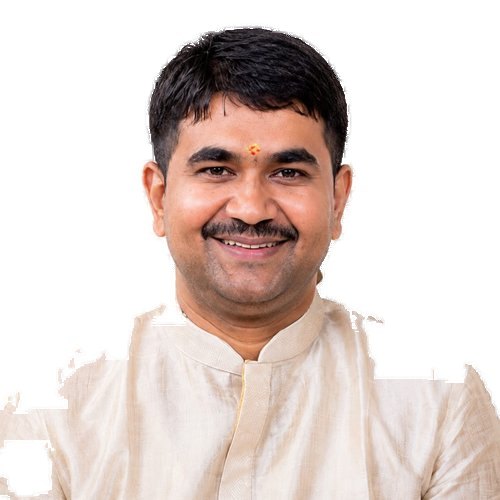 🙏 Talk to the founder himself — Acharya Aditya Dhar Dwivedi